Alicia Blue is Keeping Outlaw Country Alive!
Alicia Blue isn't trying to recreate outlaw country. She's carrying its spirit forward.
On her debut album, Country Desire, the Nashville singer-songwriter pulls from a musical world that stretches from Waylon Jennings and Dolly Parton to South Texas mariachi, rancheras, California folk music and poetry. The result is a record that sounds connected to country's past without asking Alicia to become another version of it.
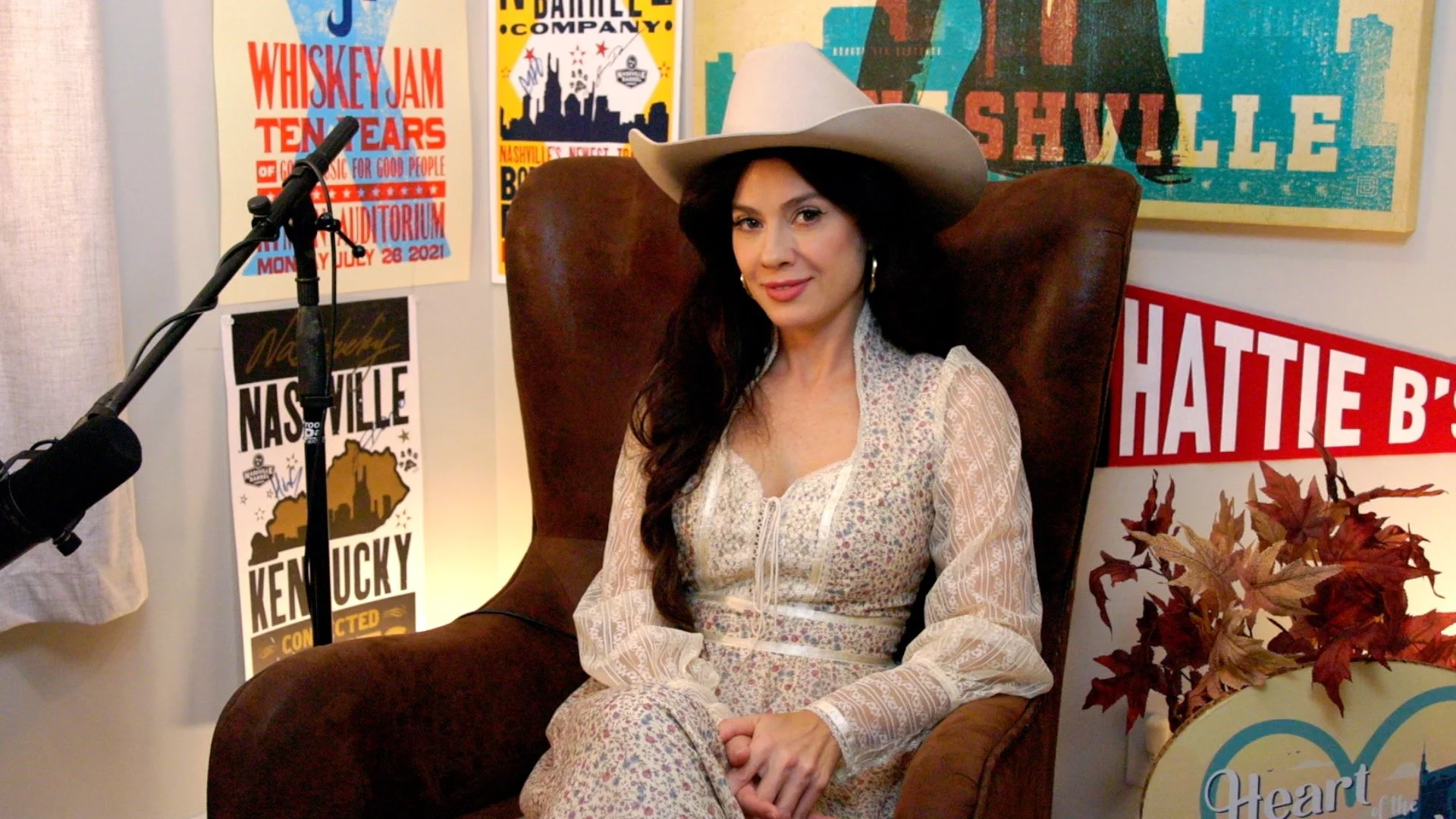
Nashville singer-songwriter Alicia Blue during her Heart of the Gulch interview discussing Country Desire, outlaw country and working with Shooter Jennings.
Produced by four-time GRAMMY Award-winning producer Shooter Jennings at the legendary Sunset Sound studios in Hollywood, Country Desire gave Alicia the opportunity to make that record on her own terms.
And according to Alicia, that was exactly what Shooter wanted.
Inside Alicia Blue’s Heart of the Gulch Interview
Welcome to Heart of the Gulch, a Nashville-based interview show and country music platform featuring artists, singer-songwriters and personalities shaping music and entertainment. Host and creator Tony Mendoza sits down with Alicia Blue to discuss Country Desire, working with Shooter Jennings, the influence of Waylon Jennings and Dolly Parton, touring with Charley Crockett, Nashville's Skinny Dennis and what outlaw country means to a new generation of artists.
Shooter Jennings Let Alicia Blue Be Alicia Blue
Long before Alicia worked with Shooter Jennings, Waylon Jennings was already influencing the sound she heard in her head.
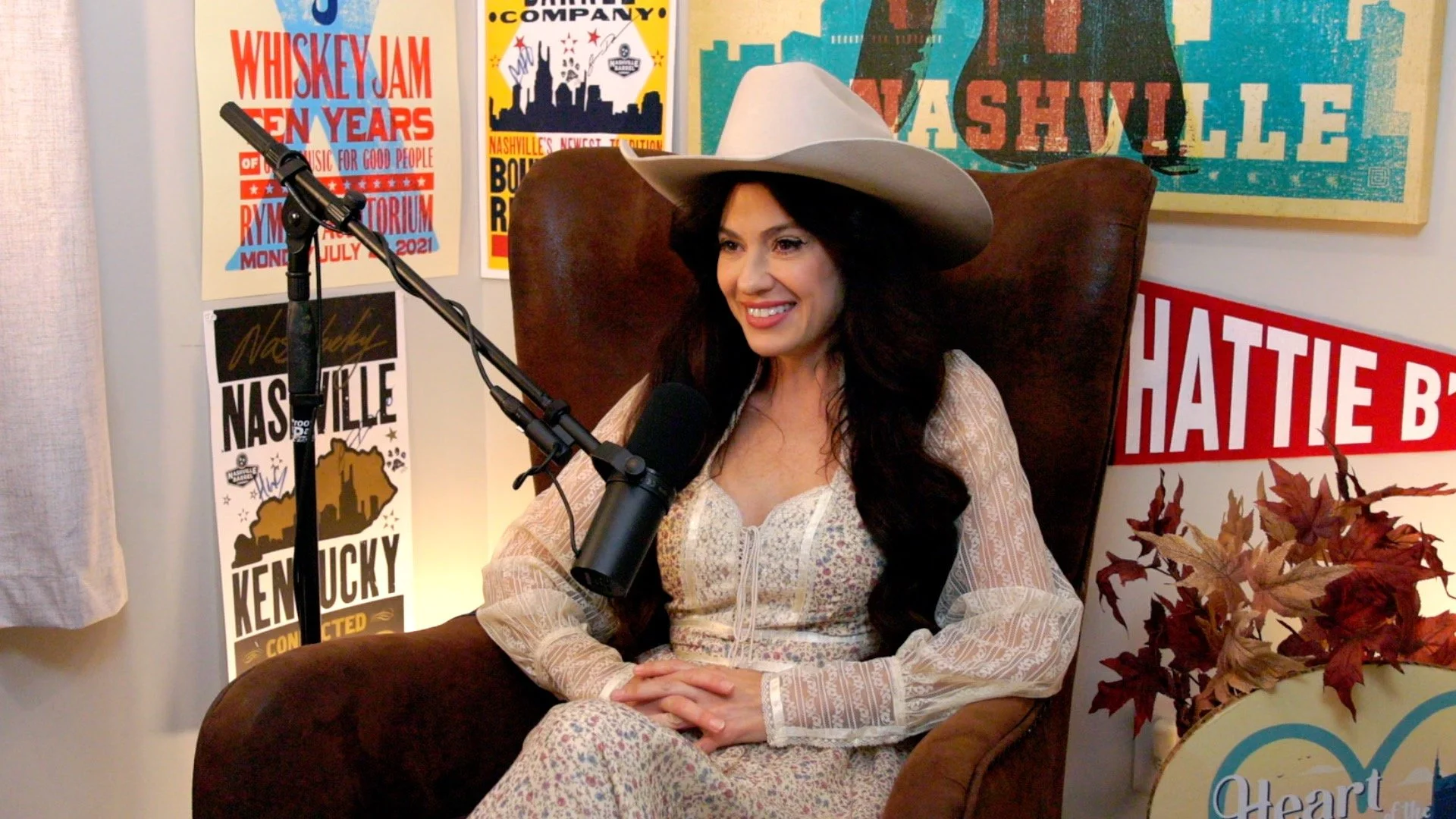
Alicia Blue discusses her debut album Country Desire, produced by Shooter Jennings at Sunset Sound in Hollywood.
While making early demos, Alicia remembers telling her musicians to approach the songs like they were playing on a Waylon record. She describes Waylon's sound as having a powerful voice sitting above a raw, foundational groove—something she wanted underneath her own writing.
Then those demos found their way to Waylon's son.
When Alicia's manager asked her to make a dream list of producers, Shooter was at the top. His team heard the demos, Shooter listened, and what had seemed like a long shot eventually became Country Desire.
Before recording, Shooter made one thing clear: if Alicia wanted a producer to give her a sound, he wasn't the producer for her.
Alicia already knew how she wanted to sound.
Shooter's job was to help her take it as far as it could go.
What Makes Someone an Outlaw?
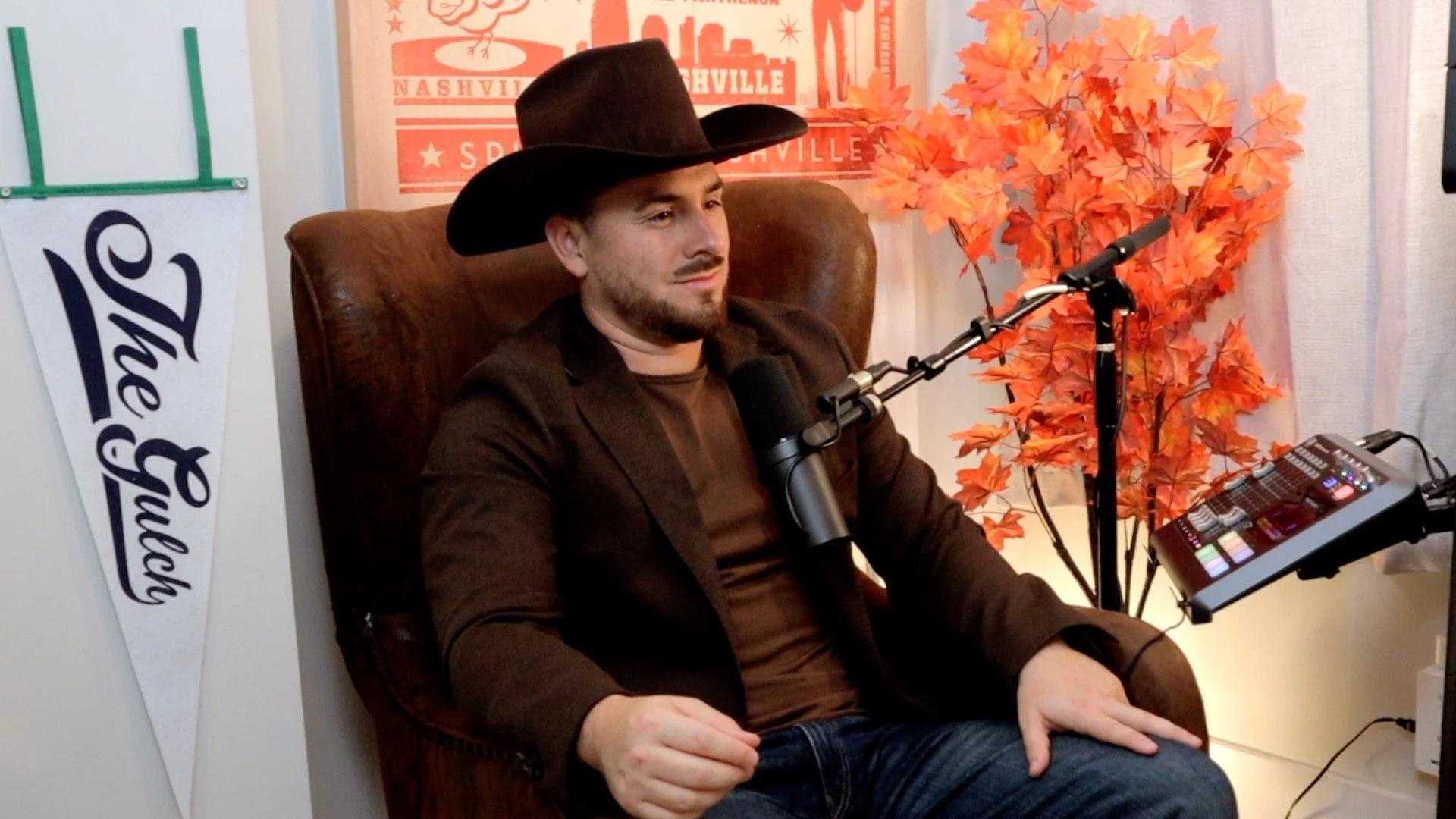
Alicia Blue with Heart of the Gulch host Tony Mendoza during their Nashville interview about Country Desire and her journey into outlaw country.
The conversation eventually turns from Waylon Jennings to another country legend Alicia considers an outlaw:
Dolly Parton.
Alicia points to Dolly's willingness to write from her own perspective, make her own decisions and remain unmistakably herself—even when those decisions didn't necessarily fit what others expected from a woman in country music.
That leads to a bigger discussion about what outlaw country actually means.
For Alicia, real outlaws aren't necessarily trying to become outsiders. Sometimes they're simply unwilling to compromise who they are in order to fit inside.
It's a philosophy that runs throughout Country Desire, particularly on songs including “I Know What Doesn't Fade” and “Clean.”
On “I Know What Doesn't Fade,” Alicia wrestles with technology, imitation and a culture she sees becoming increasingly comfortable with sameness. Her response was the opposite: lean even further into her individuality.
Charley Crockett Called Her “The Real Deal”
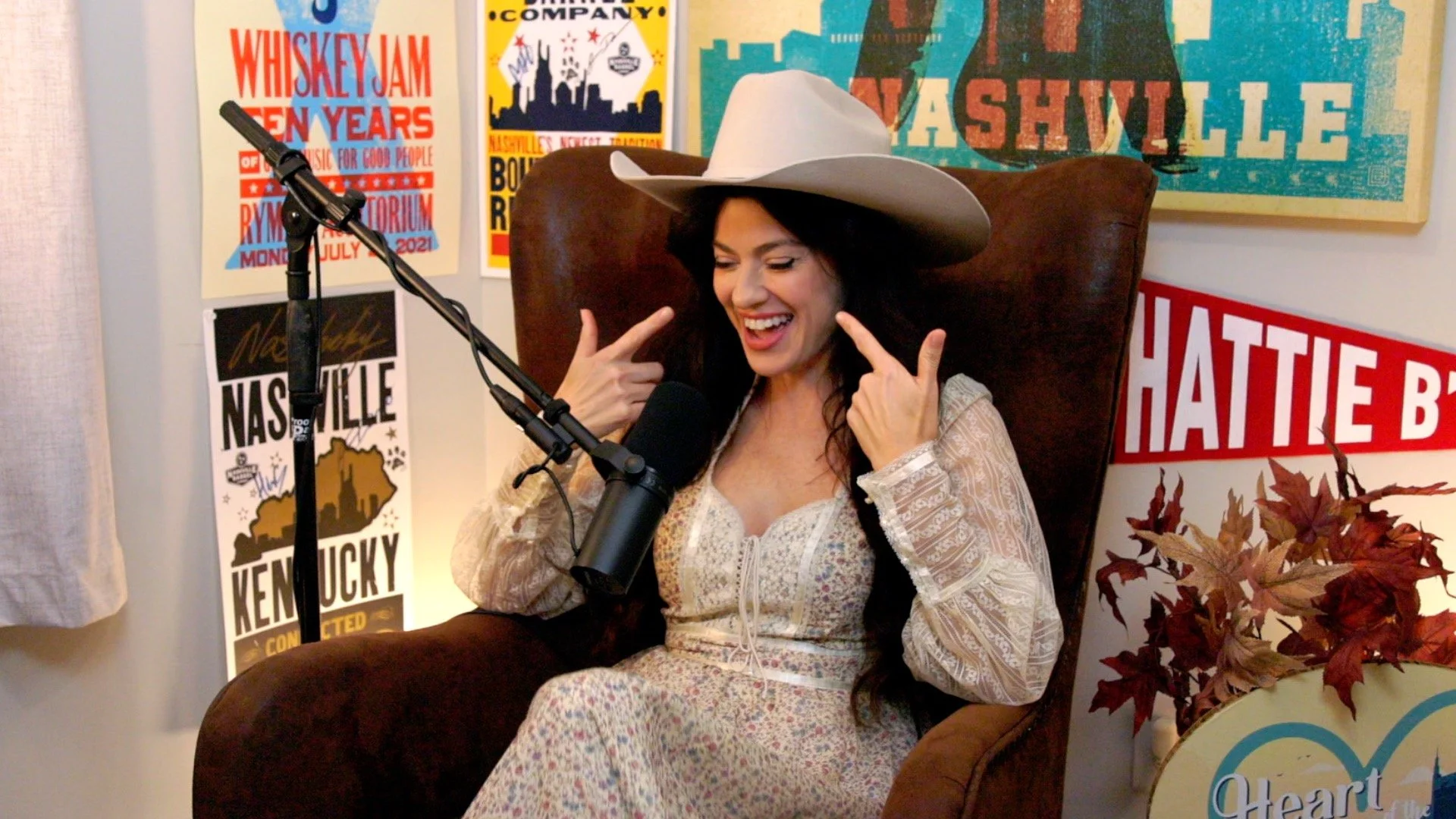
Alicia Blue discusses working with four-time GRAMMY Award-winning producer Shooter Jennings on her debut album Country Desire.
Alicia's connection to outlaw country isn't limited to the records that influenced her.
After performing at Skinny Dennis in Nashville, Alicia caught the attention of Charley Crockett's agent. Three days later, her manager received an offer for Alicia to open shows for Charley Crockett.
Then came another moment she hasn't forgotten.
Crockett called Alicia “the real deal.”
For an artist who sees similarities between the musical worlds she and Crockett come from, the recognition meant something deeper than another career milestone.
Alicia also discusses performing at Gruene Hall, her connection to the Rio Grande Valley and the South Texas musical culture that has remained part of her identity. Her father lives in McAllen, Texas, and the theater featured on the cover of Country Desire is there as well.
A New Generation Is Building at Skinny Dennis
Alicia has also found a musical home much closer to where she lives now.
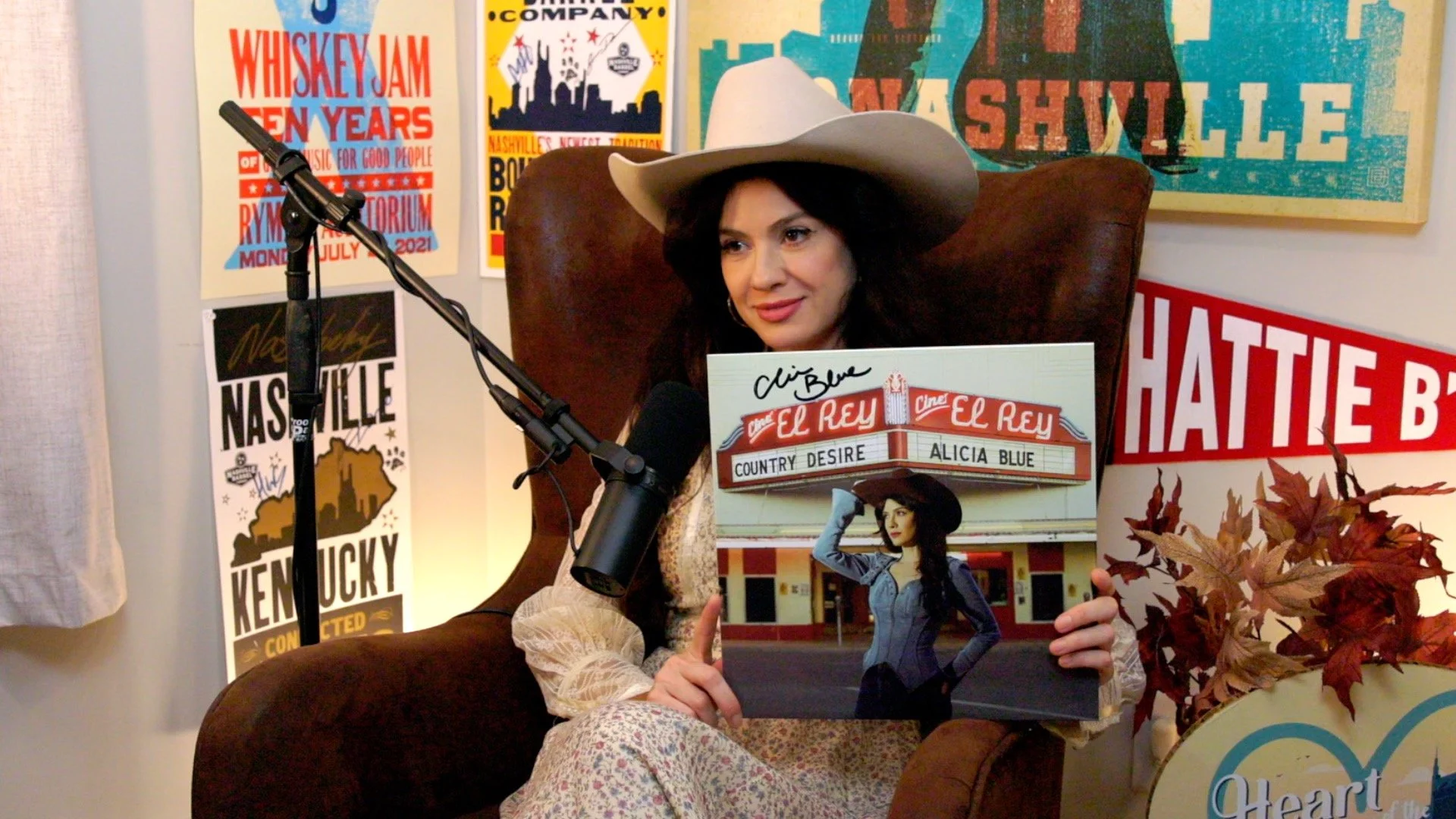
Alicia Blue discusses Waylon Jennings, Dolly Parton and what outlaw country means to a new generation of artists.
Skinny Dennis has become one of the places where she developed the songs on Country Desire, tested them in front of audiences and became part of a growing community of Nashville artists.
During the interview, Alicia and Tony discuss whether places like Skinny Dennis are helping create the next wave of Nashville music—and what will determine which artists from this generation are still being listened to decades from now.
Alicia doesn't believe one viral moment is enough.
She points instead to records, constant creation and a body of work—albums that allow an artist to build an actual relationship with listeners.
It's the same philosophy that helped Charley Crockett build his own career: not one song or one moment, but the breadth of the work. transcript (2)
Before Country Music, Alicia Blue Wanted to Be a Poet
Alicia's route to country music wasn't conventional.
She originally wanted to become a poet, eventually studying literature with an emphasis in poetry. As a teenager, she became fascinated by storytelling through songs and initially imagined herself turning her writing into folk music.
Even learning guitar happened almost by accident.
While living in Los Angeles, a musical mentor encouraged Alicia to approach a woman performing at a Thai restaurant and ask for guitar lessons. That encounter eventually led to Alicia getting her first guitar and learning to fingerpick.
But country music had been there much earlier.
Her father listened to Patsy Cline while restoring classic Ford Mustangs, while Linda Ronstadt's Spanish-language music played alongside the country records Alicia heard growing up. Visits to family in South Texas exposed her to mariachi and the musical culture of the Rio Grande Valley.
Eventually, Alicia realized that trying to fit herself into what she thought modern folk music should sound like was actually suppressing her voice.
When she stopped trying to fit, she says her voice finally “unleashed itself.”
That journey eventually led to Country Desire.
And Alicia Blue is already thinking about the record that comes next.
Watch Alicia Blue on Heart of the Gulch
Watch Tony Mendoza's complete conversation with Alicia Blue as they discuss Country Desire, Shooter Jennings, Waylon Jennings, Dolly Parton, Charley Crockett, Skinny Dennis, Sunset Sound, South Texas, outlaw country and building a career designed to last longer than one viral moment.
Tony Mendoza is the Nashville-based host and creator of Heart of the Gulch, featuring conversations with country artists, singer-songwriters and personalities from Nashville and beyond.
