From patrolling the streets of Las Cruces, New Mexico, to performing on the Grand Ole Opry stage, Frank Ray has built a country music career that reflects his experiences, cultural roots and love for traditional country music.
In a new Nashville studio interview with Tony Mendoza on Heart of the Gulch, Frank Ray discusses his single “Third Row George Strait,” collaborating with country music legend Tracy Lawrence, and the personal stories behind his EP, Good for the Soul.
The conversation explores Ray's journey from spending 10 years as a police officer to becoming a country music recording artist, along with the influence of George Strait, Selena Quintanilla, Freddy Fender and Tejano music on his musical identity.
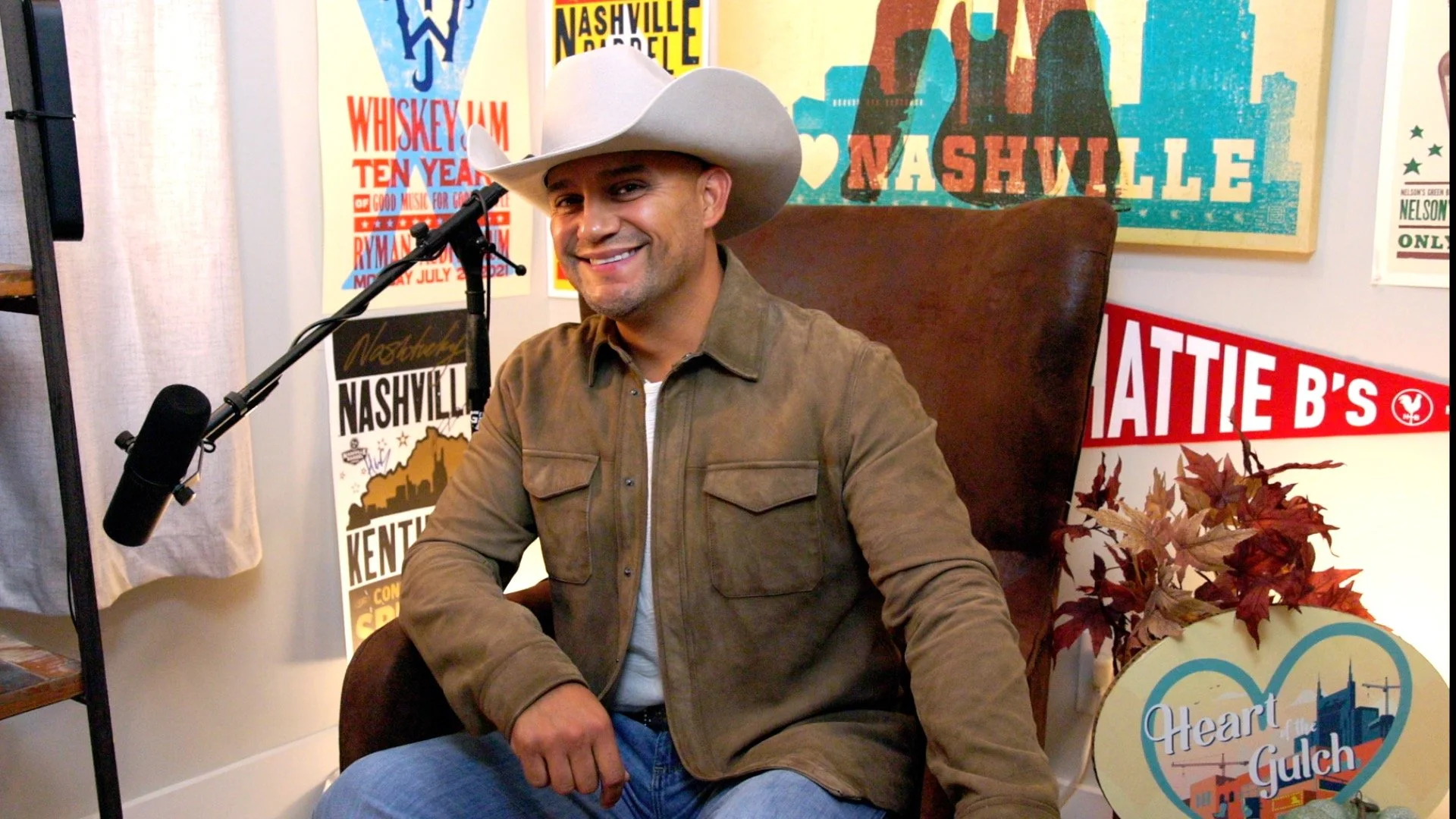
Frank Ray discusses his single Third Row George Strait during a Nashville interview with Heart of the Gulch.
Ray also opens up about his connection to first responders, the inspiration behind “Hard to Be a Hero,” and why his Latino heritage continues to shape the music he creates and the audiences he hopes to reach.
Third Row George Strait: A Country Music Love Story
For Frank Ray, George Strait represents more than one of country music's most successful entertainers. His music is part of the soundtrack that helped shape Ray's appreciation for traditional country storytelling.
During the interview, Ray discusses “Third Row George Strait,” a single that captures the nostalgia of attending a country concert and the unforgettable memories that can come from sharing music with someone special.
The song tells a romantic story built around a concert experience, bringing together the excitement of live country music with the emotional connection of a love story.
Ray explains that the single draws inspiration from the familiar sounds of 2000s country music, an era when memorable melodies and relatable storytelling helped define the genre.
The song has been gaining attention through Texas Country Radio, where Ray has established a connection with listeners who appreciate his blend of traditional country influences and contemporary production.
As he prepares to introduce “Third Row George Strait” to national country radio, Ray reflects on the importance of building momentum while staying true to the music that inspired him.
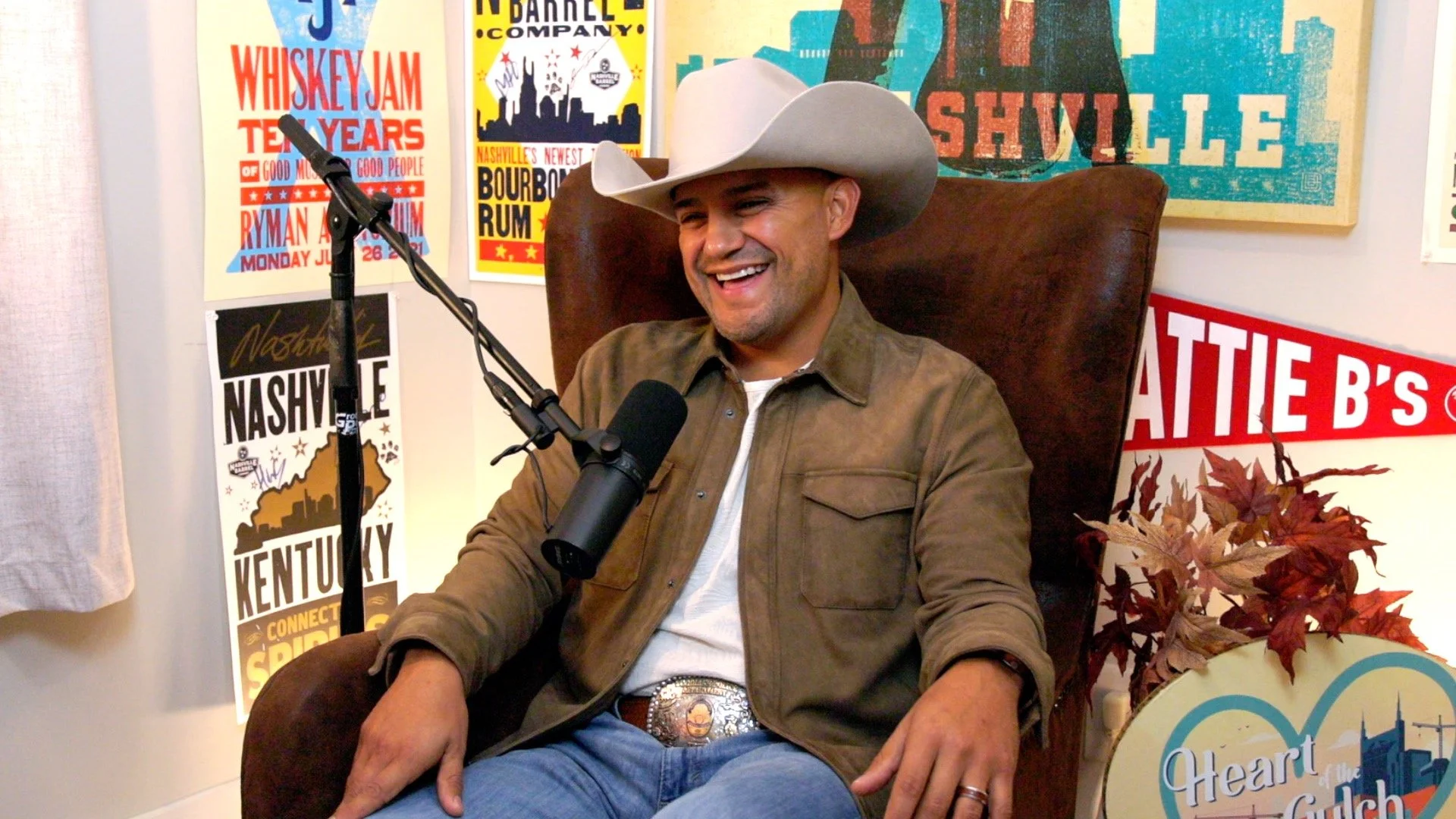
Frank Ray discusses the influence of George Strait and Tracy Lawrence, his single Third Row George Strait and the traditional country sound featured on his Good for the Soul EP.
Working With Tracy Lawrence on Good for the Soul
Another significant chapter in Ray's career came through his collaboration with Tracy Lawrence, one of the recognizable voices of 1990s country music.
The two artists joined forces on “Good for the Soul,” a song that celebrates the honky-tonk energy and traditional country sound that influenced Ray's musical upbringing.
During his conversation with Mendoza, Ray describes the collaboration as an opportunity to work with one of his country music heroes.
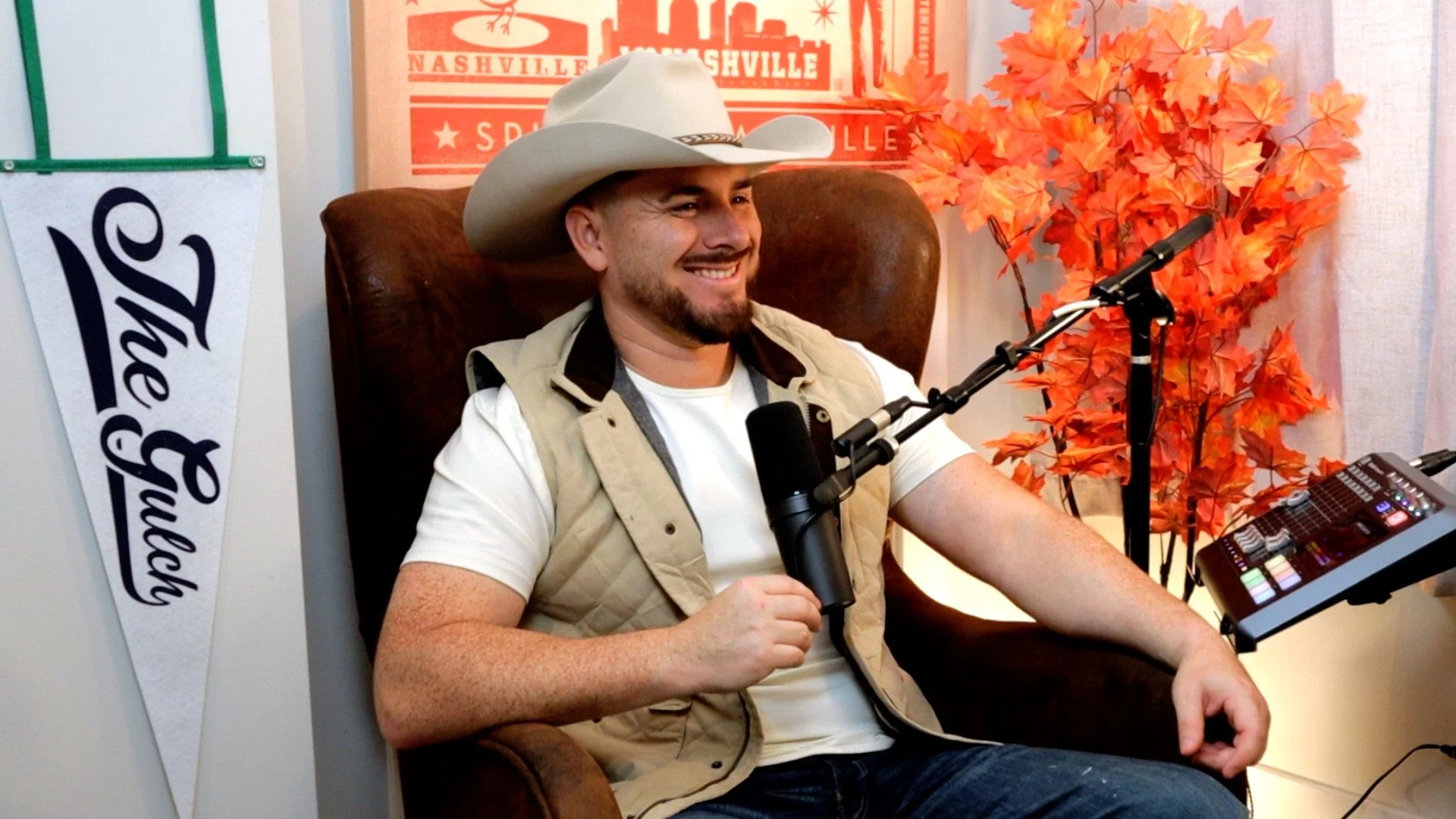
Heart of the Gulch host Tony Mendoza interviews country singer Frank Ray about Third Row George Strait, his collaboration with Tracy Lawrence and his career as a former police officer.
The track is part of Ray's EP, Good for the Soul, a project that showcases different sides of his personality and musical identity.
While the title track delivers an energetic, nostalgic country sound, other songs explore more personal subjects, including family, faith, responsibility and the emotional challenges of working in law enforcement.
Ray discusses how he wanted the EP to reflect the experiences that shaped him rather than simply follow a single musical formula.
The result is a project that combines the upbeat spirit of traditional country music with moments of vulnerability and reflection.
From Las Cruces Police Officer to Nashville Country Artist
Before pursuing country music full-time, Frank Ray spent 10 years working as a police officer in Las Cruces, New Mexico.
His experience in law enforcement remains an important part of his identity, influencing both his songwriting and his commitment to supporting first responders.
During the interview, Ray discusses the transition from serving his community to building a career in an industry where success is never guaranteed.
His journey included performing with a band called Border Avenue, entering a Battle of the Bands competition and earning an opportunity to open for Keith Urban in Las Cruces.
The experience introduced him to a much larger concert stage and helped demonstrate what a future in professional music could look like.
Ray eventually made his Grand Ole Opry debut in 2021, a milestone that marked another significant step in his country music career.
He also reflects on performing for country radio executives during Country Radio Seminar in Nashville and how those opportunities helped introduce his music to a national audience.
For Ray, the transition from law enforcement to music was not about leaving his past behind. It was about carrying those experiences into a different chapter of his life.
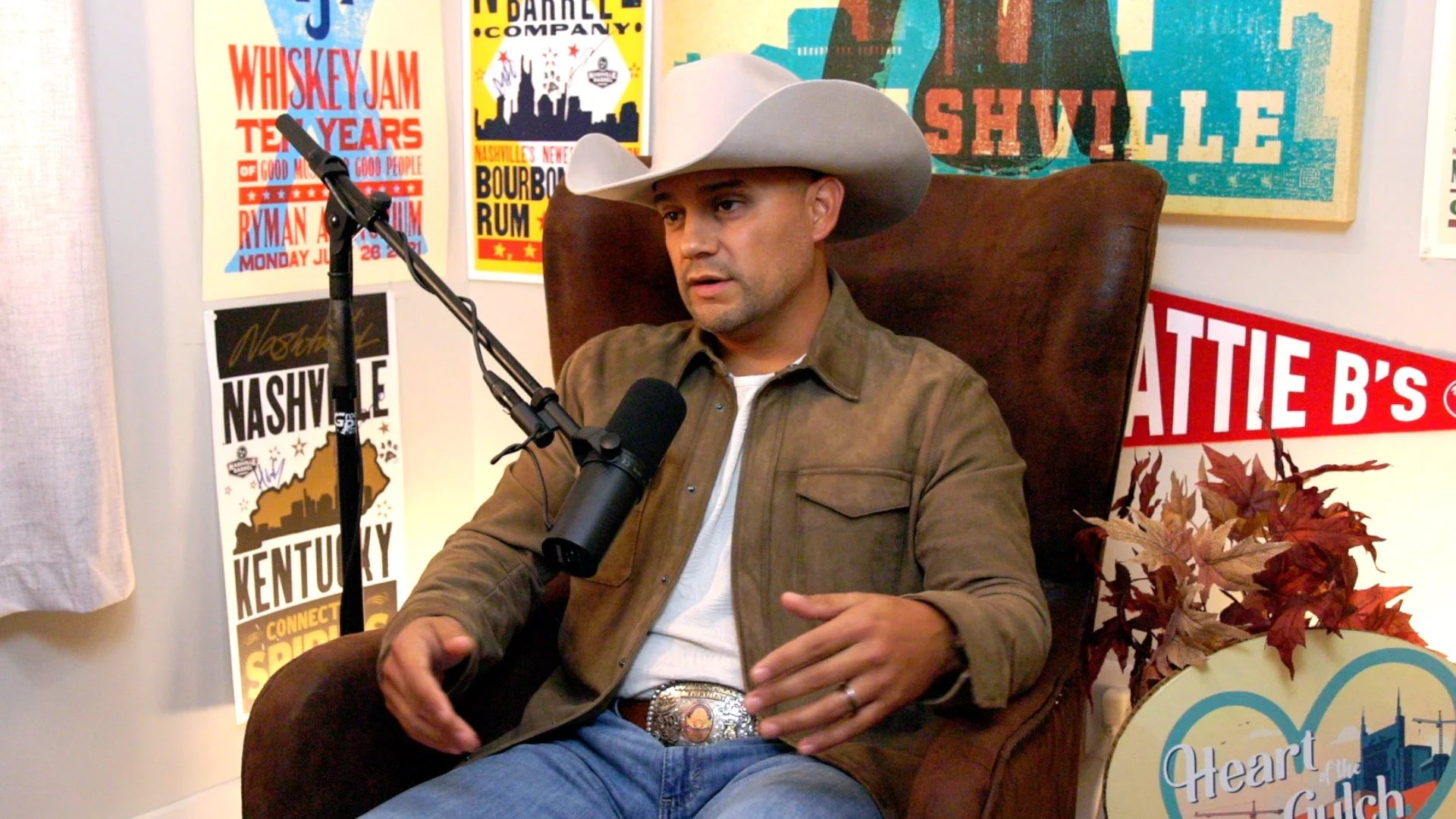
Frank Ray shares how his decade in law enforcement influenced Hard to Be a Hero, his songwriting and his FRAY first responder mental health initiative.
Hard to Be a Hero and Frank Ray's Commitment to First Responders
One of the most personal songs discussed during the interview is “Hard to Be a Hero,” which reflects Ray's experiences as a former police officer.
The conversation takes a deeper turn as Mendoza and Ray explore the emotional demands placed on police officers, firefighters and other first responders.
Ray explains that people working in emergency services often encounter traumatic situations that can continue affecting them long after their shifts have ended.
Those experiences inspired his involvement in mental health advocacy and the creation of FRAY, an initiative focused on helping first responders find resources and support.
Rather than attempting to replace existing mental health organizations, Ray describes FRAY as a way to connect people with organizations and services that may be able to help.
The discussion also highlights the importance of acknowledging the emotional challenges that can accompany public service.
For Ray, “Hard to Be a Hero” provides an opportunity to share a part of his life that audiences might not otherwise see during an upbeat country music performance.
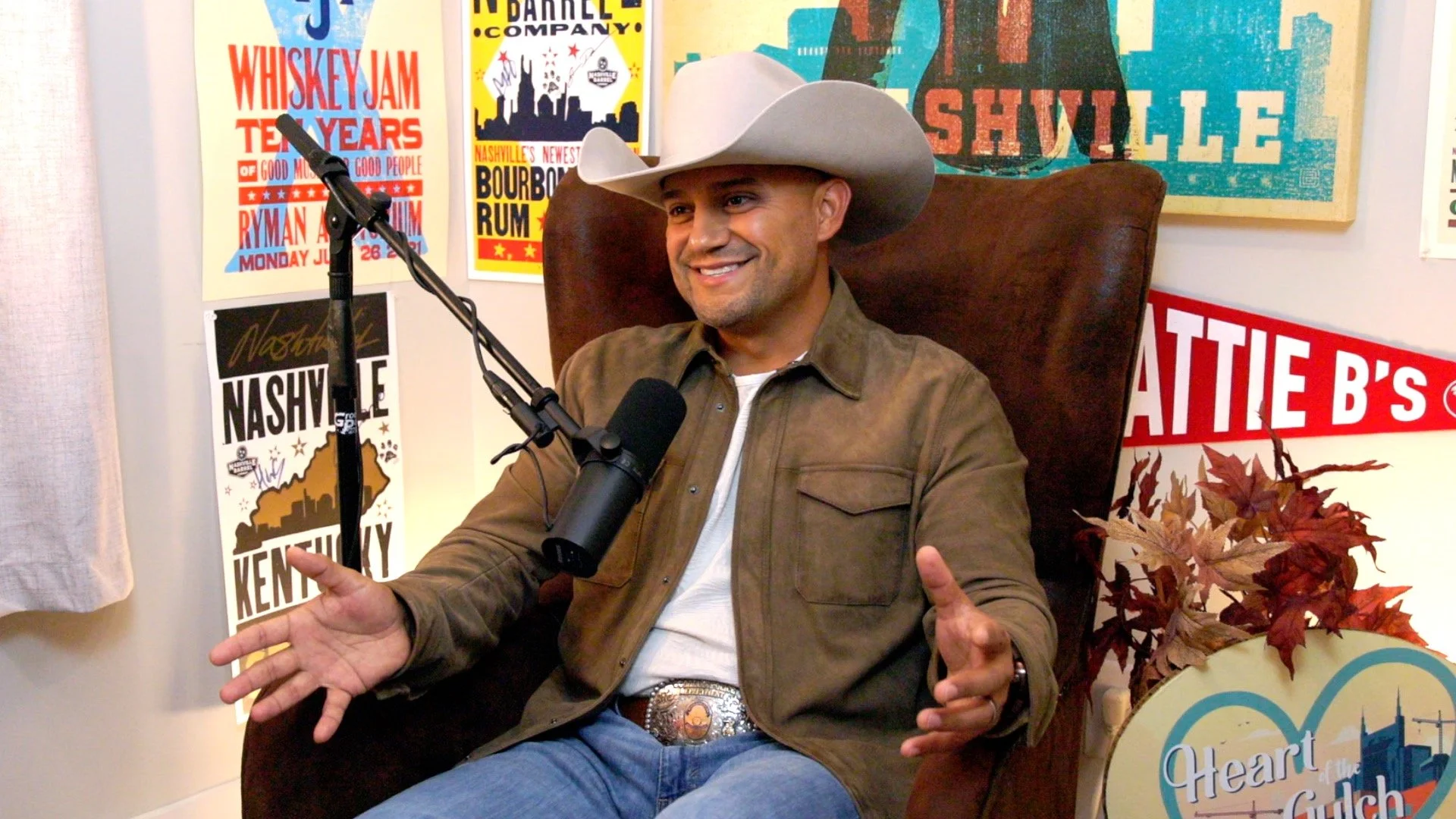
Country singer Frank Ray discusses Selena Quintanilla, A.B. Quintanilla, Freddy Fender, Emilio Navaira and the connection between Latino culture, Tejano music and country music.
Selena, George Strait and the Influence of Tejano Music
Although Frank Ray has built his career in country music, his musical influences extend far beyond Nashville.
During the interview, Mendoza welcomes Ray into the studio with music from Selena Quintanilla, opening a conversation about their shared appreciation for Tejano music and Latino culture.
Ray reveals that Selena is one of his greatest musical influences, particularly when it comes to stage presence, confidence and connecting with an audience.
He also recognizes the musical contributions of A.B. Quintanilla, whose work helped define many of Selena's recordings.
The conversation explores the influence of artists including Freddy Fender, Emilio Navaira and the Texas Tornados, musicians who helped connect country music with Tejano and other regional sounds.
For Ray, these artists represent an important musical tradition that helped create opportunities for Hispanic performers in country music.
Mendoza and Ray also discuss how Latino culture and traditional country music have long intersected throughout Texas, particularly in communities where country, conjunto, mariachi and Tejano music exist alongside one another.
Ray explains that his live performances reflect those influences without abandoning his identity as a country singer.
Depending on the audience, a show might include a tribute to Selena or Freddy Fender alongside traditional country songs and his own original recordings.
That combination allows Ray to celebrate his cultural background while introducing different audiences to the music that shaped him.
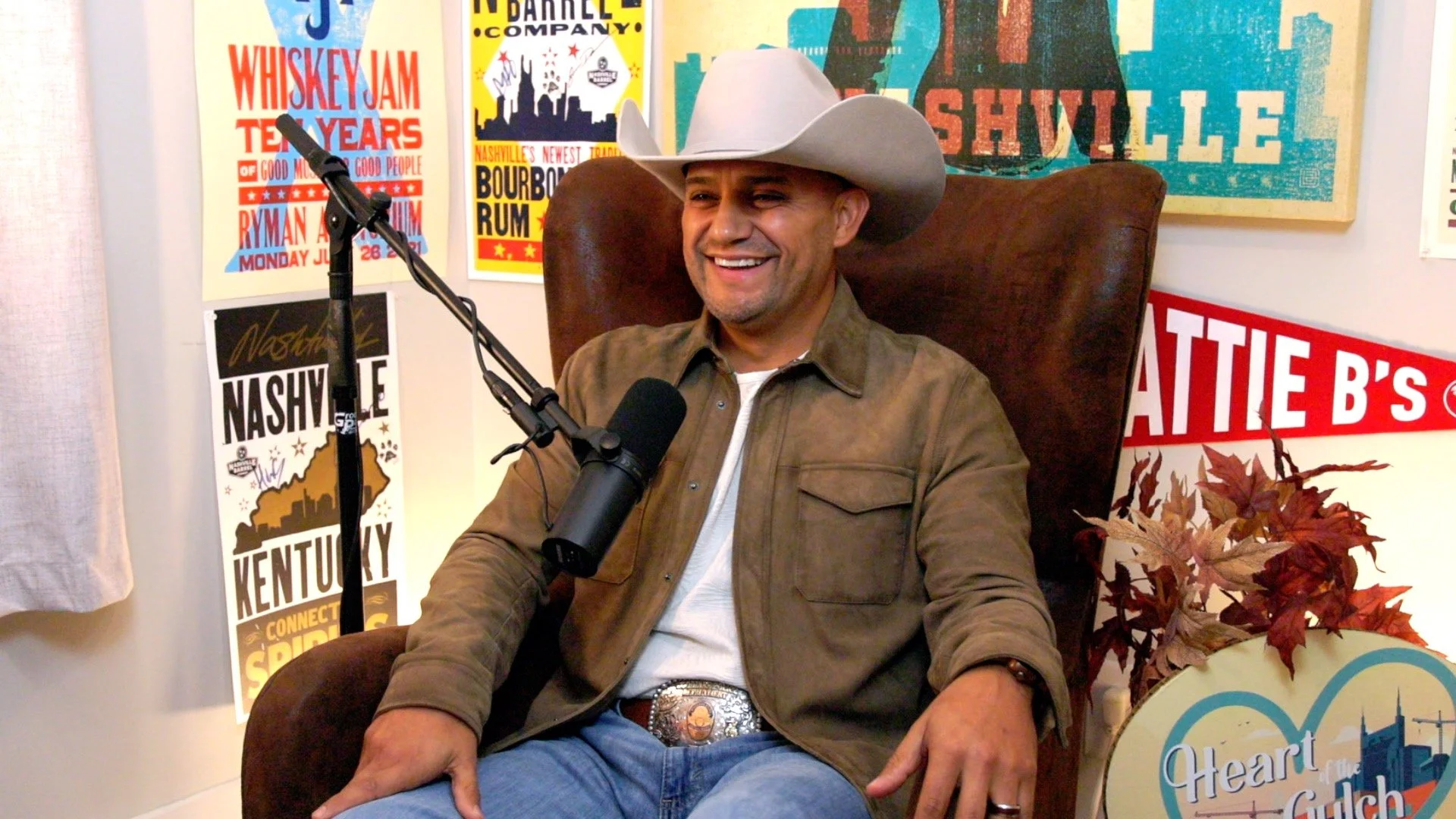
Frank Ray discusses the influence of George Strait and Tracy Lawrence, his single Third Row George Strait and the traditional country sound featured on his Good for the Soul EP.
Why Francisco Ray Gomez Became Frank Ray
One of the more revealing conversations centers on Ray's decision to perform professionally under the name Frank Ray rather than his full name, Francisco Ray Gomez.
Mendoza asks whether the decision was strategic, particularly in an industry where Hispanic representation and cultural identity remain important subjects.
Ray explains that he is proud of his name and heritage, but wanted a professional name that would be easy for country radio personalities and audiences to remember and pronounce.
He also points out that friends and family had long called him Frank or Frankie, making the stage name a natural extension of his identity.
The conversation reflects a broader theme throughout the interview: how artists can navigate the commercial realities of the music business while maintaining a connection to their backgrounds.
For Ray, authenticity is not limited to a stage name or a particular musical style. It comes from being comfortable with the experiences and influences that make him who he is.
Texas Country Radio, Nashville and the Road to 2027
As Frank Ray looks toward 2027, one of his biggest priorities is expanding the reach of “Third Row George Strait.”
The single has been building momentum through Texas Country Radio, a market Ray describes as having its own distinct musical ecosystem and audience.
During the interview, he discusses the differences between Texas Country Radio and mainstream country radio, including how regional audiences have embraced his music.
Ray also reflects on the challenges of introducing new songs to national radio and the importance of connecting with listeners across different markets.
Beyond radio, he hopes to continue expanding his touring opportunities, including the possibility of performing internationally.
His career has already taken him from local performances in New Mexico to the Grand Ole Opry and stages alongside major country music artists.
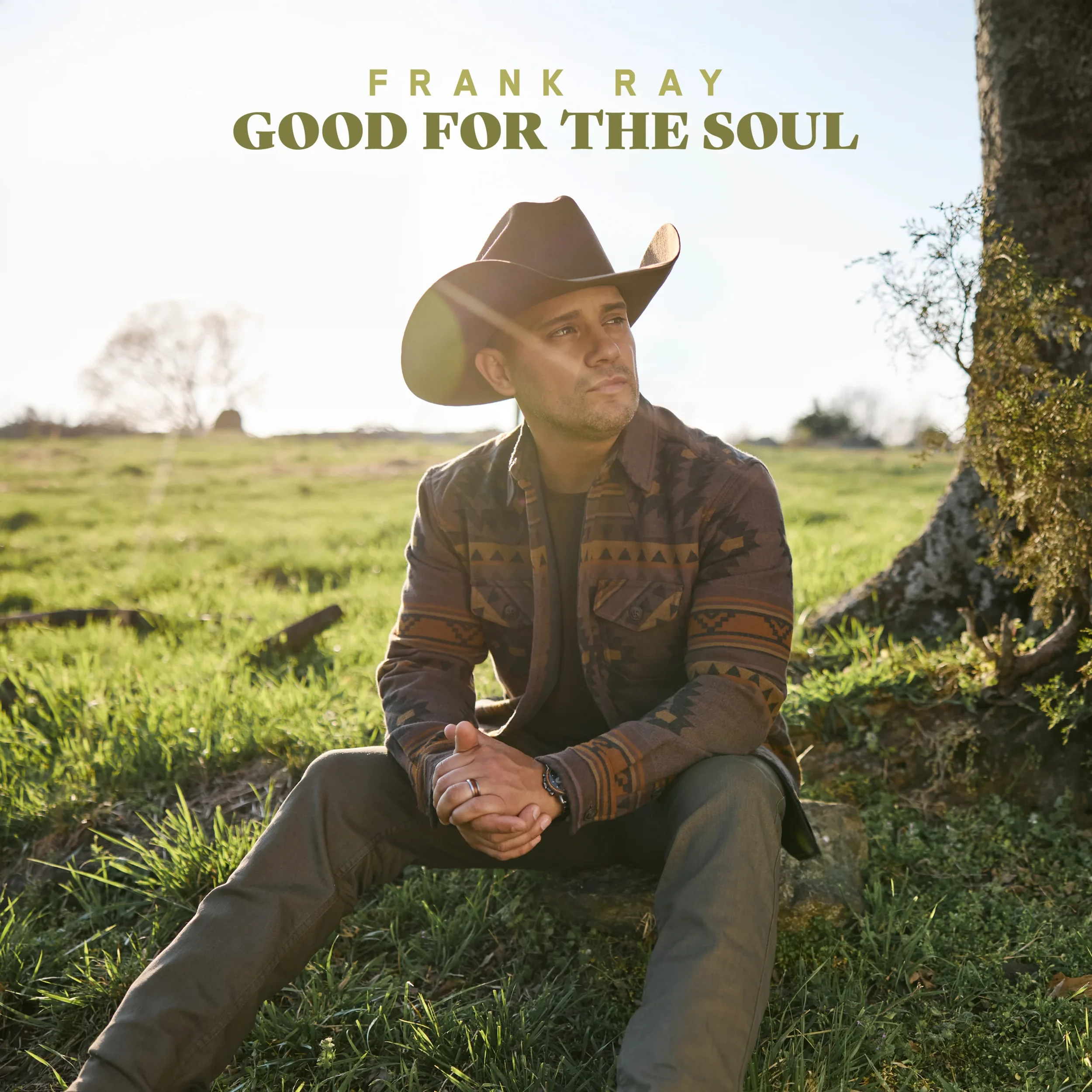
Now, with new music and a renewed commitment to the traditional country sound he loves, Ray is focused on introducing the next chapter of his career to an even wider audience.
Throughout the conversation, one thing remains clear: Frank Ray's story is about more than making country music. It is about finding a place where his experiences in law enforcement, his faith, his Latino heritage and his love for traditional country music can exist together.
About Tony Mendoza
Tony Mendoza is a Nashville-based media personality, host, executive producer, journalist, and digital storyteller best known as the creator and host of Heart of the Gulch, where he has interviewed hundreds of country music artists, entertainers, and industry leaders while covering events including CMA Fest and Country Radio Seminar. His work focuses on authentic storytelling, artist development, and the evolving landscape of country music.
Check out more Heart of the Gulch interviews on our website and subscribe to our YouTube channel.
