Jack Blocker joins Tony Mendoza on Heart of the Gulch to discuss his 11-song concept album, Big Jefe, independent country music, life on the road and the importance of creative freedom.
For Jack Blocker, Big Jefe began with a simple goal: make his friends laugh.
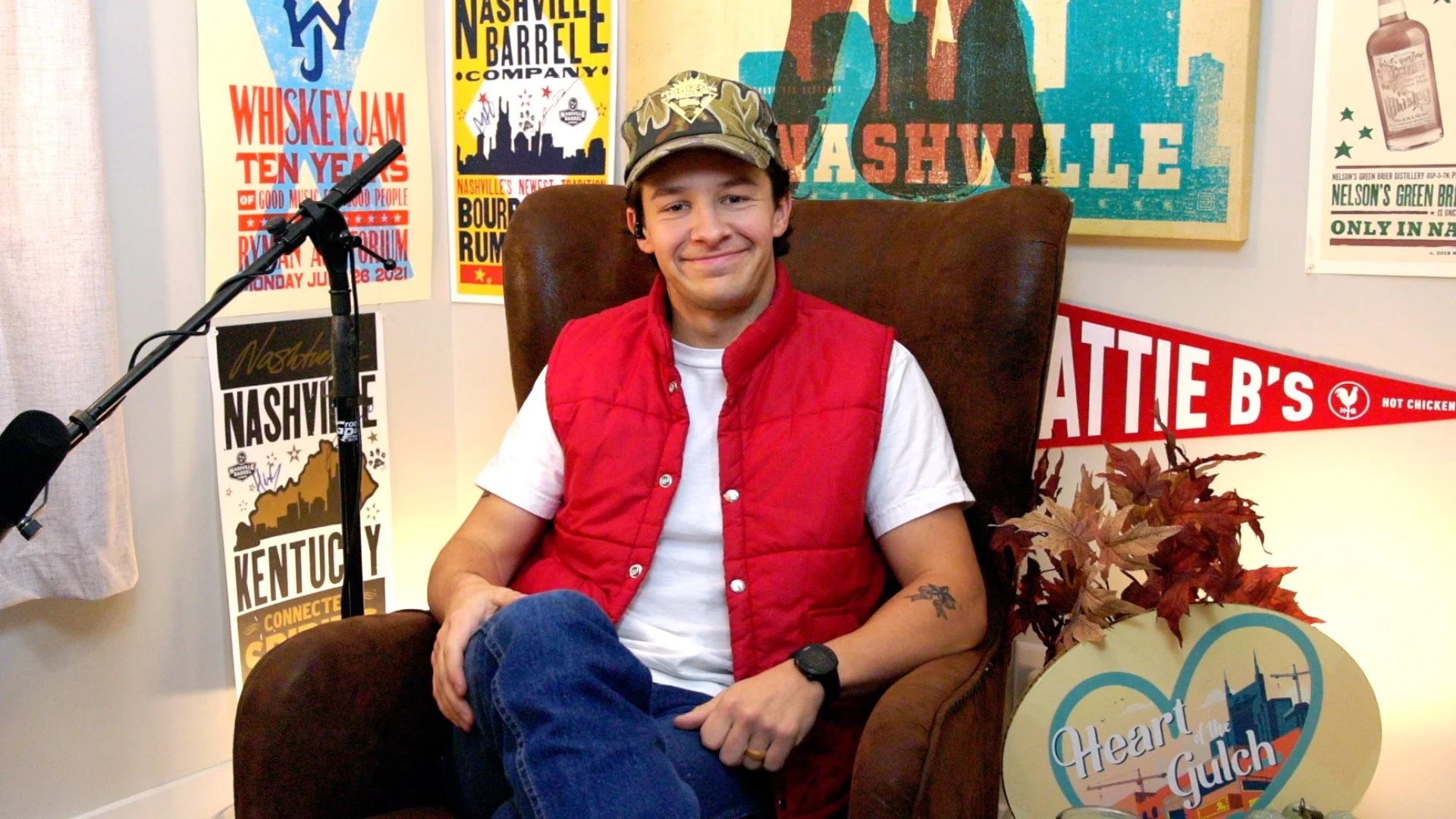
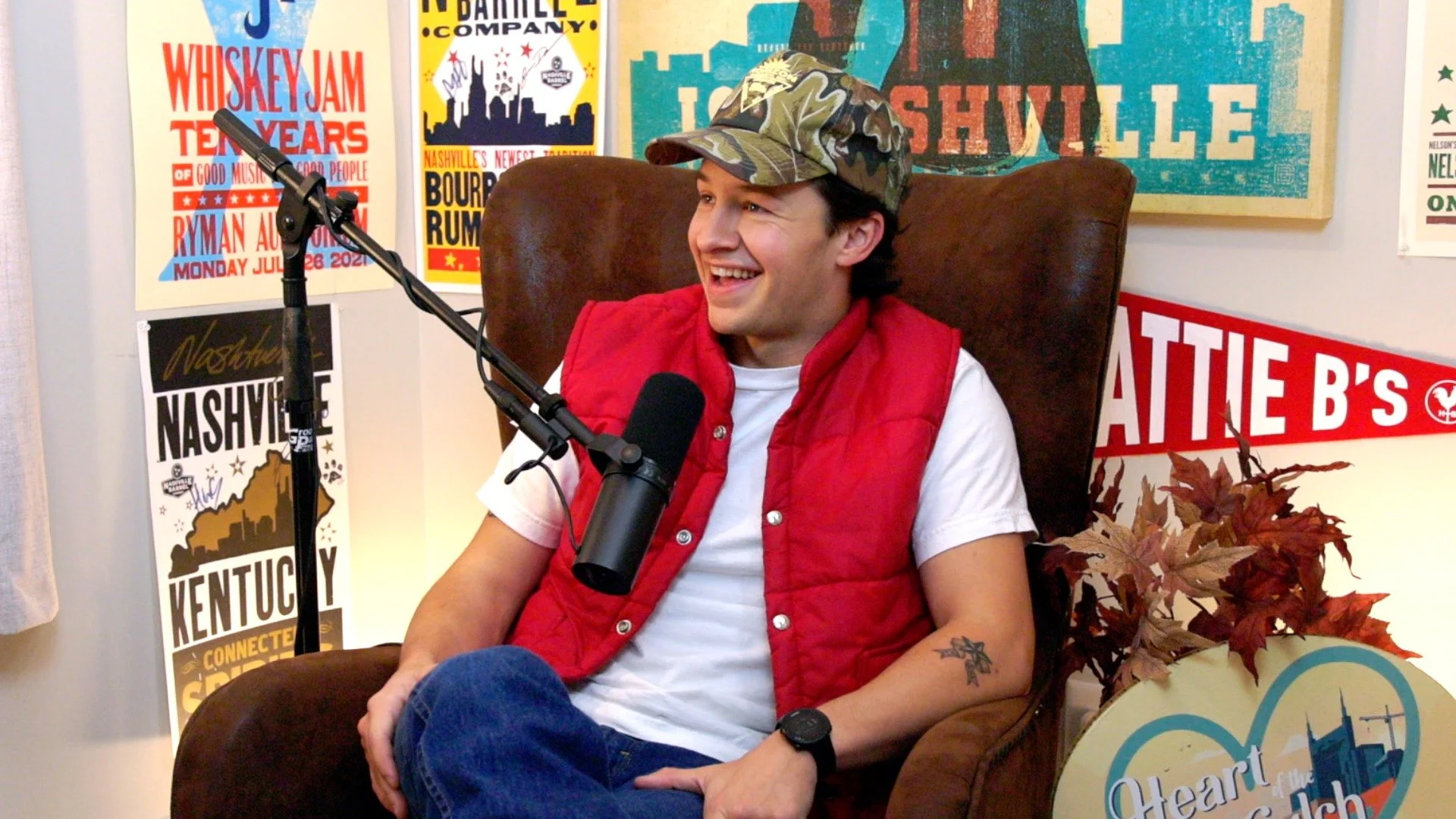
Jack Blocker discusses his Big Jefe concept album on Heart of the Gulch in Nashville
Years before the album's release, the Texas-born country and Americana artist sat down to write a song without worrying about radio, streaming numbers or whether anyone in Nashville would consider it commercially viable.
That song eventually became the foundation of Big Jefe, an 11-track concept album that follows a fictional character through a series of strange encounters, unexpected decisions and larger-than-life adventures.
During a Nashville studio interview with Tony Mendoza on Heart of the Gulch, Blocker discussed the origins of the album, the realities of remaining an independent artist and why his most ambitious creative project began when he stopped trying to follow the music industry's rules.
Jack Blocker Explains the Story Behind Big Jefe
Unlike a traditional collection of songs, Big Jefe follows a continuous narrative from beginning to end.
Blocker approached the record almost like a novel or movie, developing the fictional character's story across 11 songs. Although the original title track was written several years earlier, he eventually realized there were more stories to tell within that world.
The project also represented a return to the kind of songwriting that first made him fall in love with country music.
After moving to Nashville, Blocker began feeling pressure to write songs according to familiar commercial formulas. Instead of chasing the perfect hook or trying to satisfy an imagined audience, he wrote Big Jefe for his own enjoyment.
That decision helped him reconnect with his creativity.
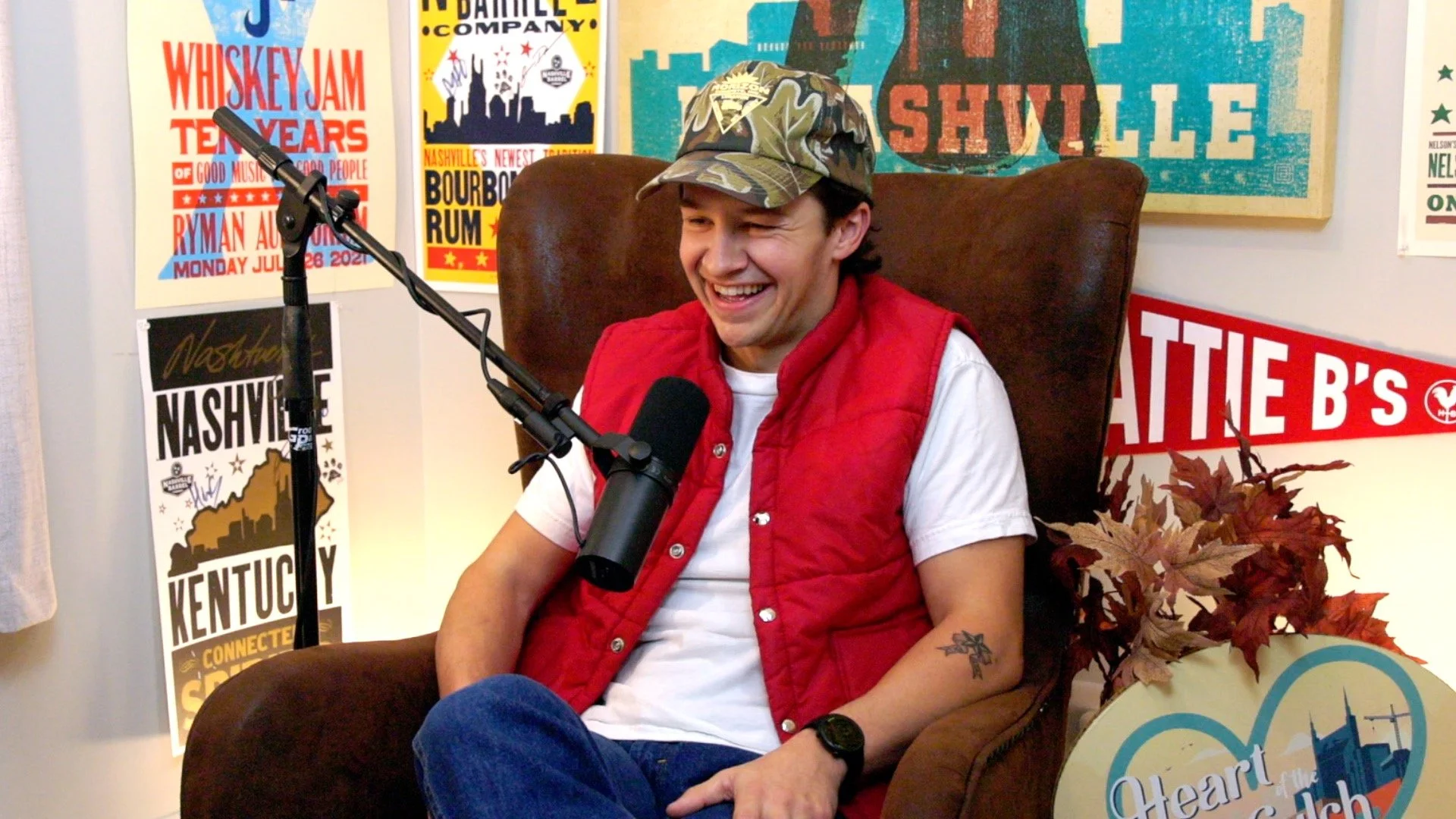
Talking Greyhound Blues, Christian Girl and Wallowing with the Hogs
Throughout the interview, Blocker and Mendoza explore several songs that help bring the fictional world of Big Jefe to life.
“Talking Greyhound Blues” introduces an unusual encounter that helps establish the record's offbeat storytelling. Blocker also discusses “Christian Girl,” one of Mendoza's favorite songs on the album, and the way the record moves between humor, romance and the unexpected.
“Wallowing with the Hogs” draws inspiration from an expression Blocker's grandfather used: a person cannot soar with the eagles while wallowing with the hogs.
The song's accompanying music video captures Blocker's character sitting at a bus stop as the world moves around him.
Rather than using an elaborate production, Blocker and a friend filmed at a bus stop on Nashville's Dickerson Pike. Much of what appeared in the footage happened naturally, including passing vehicles and pedestrians.
While filming a separate video for “Talking Greyhound Blues,” a passerby even interrupted the performance to ask whether they were shooting a movie.
The spontaneous moment reflected the resourcefulness behind the project.
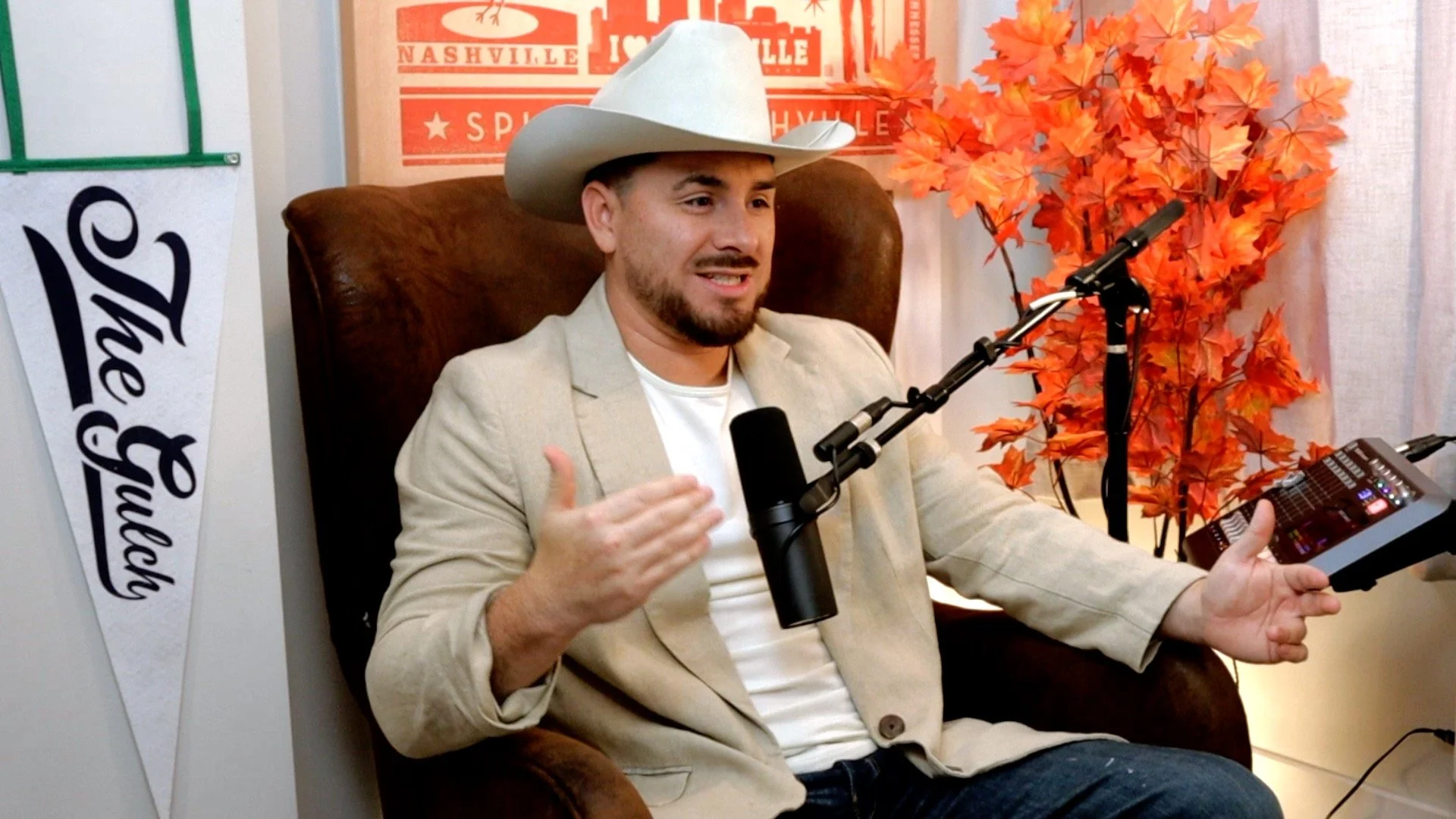
Tony Mendoza interviews country artist Jack Blocker about Big Jefe and independent music.
Why Jack Blocker Chose Independent Country Music
One of the most revealing moments of the Heart of the Gulch interview comes when Blocker discusses his decision to remain an independent artist.
Following his national television exposure on American Idol, Blocker had opportunities to pursue a more conventional record-label path.
Instead, he prioritized creative control.
Blocker explains that a different recording arrangement might not have allowed him to make an unusual concept album like Big Jefe.
Working with his management team, producer Pat and distribution partner Thirty Tigers gave him the freedom to develop the project according to his own vision.
That independence, however, comes with financial uncertainty.
As a husband and father, Blocker acknowledges that he sometimes wonders whether a more traditional deal could have provided greater stability for his family.
Still, he believes the ability to make music he genuinely loves is essential to his career.
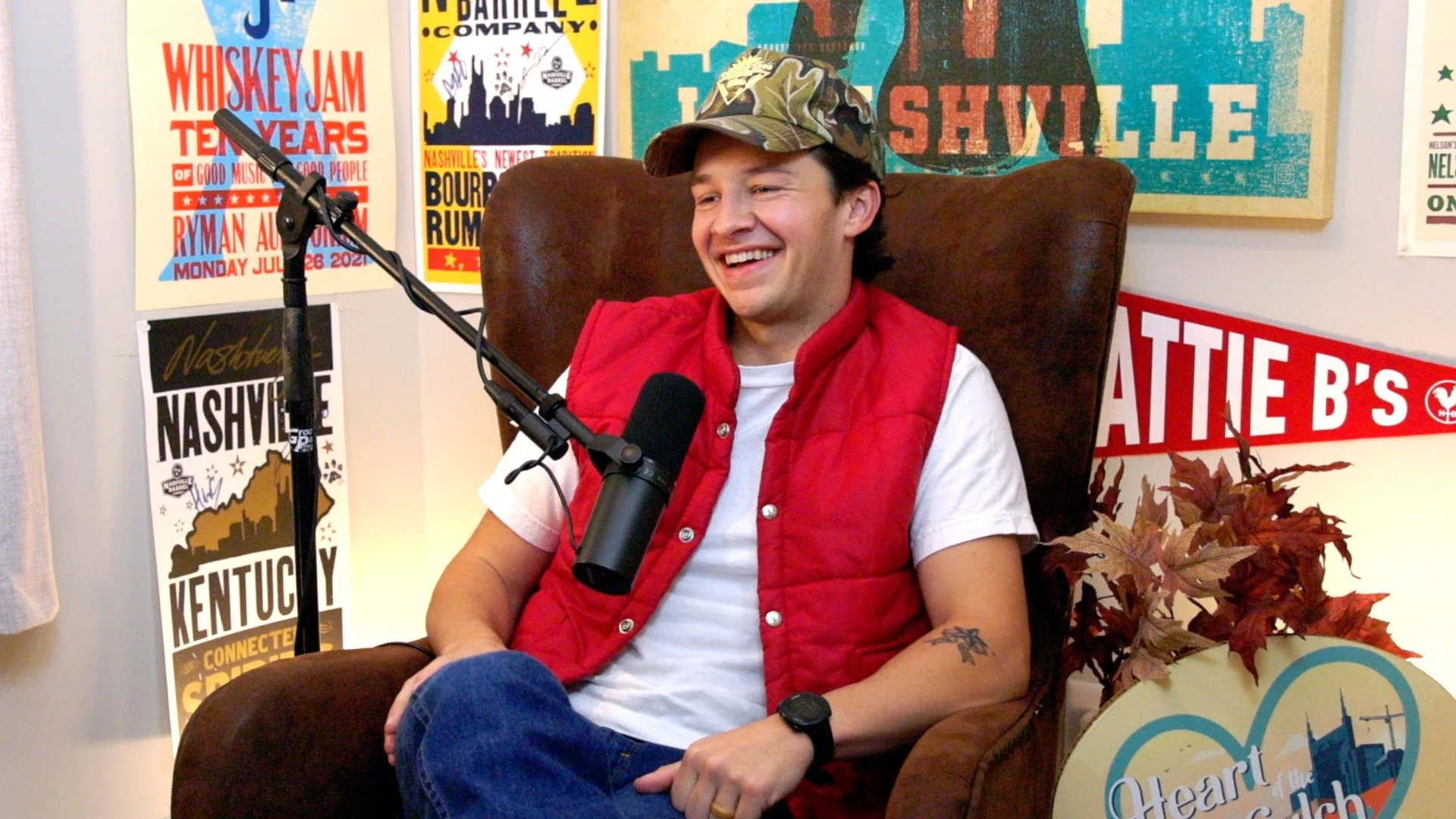
Jack Blocker talks about songwriting and touring during his Nashville studio interview.
Touring America in a 2008 Toyota 4Runner
While Big Jefe presents a larger-than-life fictional character, Blocker's everyday touring experience is considerably more modest.
He frequently travels alone in a 2008 Toyota 4Runner, performing at clubs and listening rooms while building his audience one show at a time.
During the interview, he discusses selling his own merchandise, meeting fans after performances and recognizing familiar faces when returning to cities across the country.
For Blocker, those personal connections are central to his growth as an artist.
He also explains why the number of people in a venue matters less than the meaning behind the performance. Whether playing for eight people or 800, he wants to deliver the same commitment to his songs.
Gruene Hall, Cheatham Street Warehouse and Texas Country Music
Blocker's Texas roots remain an important part of his identity.
Born and raised in the Dallas–Fort Worth area, he shares Mendoza's appreciation for historic Texas music venues and the artists who helped define the state's songwriting traditions.
Their conversation includes Gruene Hall, Billy Bob's Texas, Devil's Backbone Tavern and John T. Floore's Country Store.
Blocker discusses an upcoming December 2026 appearance at Gruene Hall, a venue he had long hoped to play.
He also recalls performing at Cheatham Street Warehouse in San Marcos and 11th Street Cowboy Bar in Bandera.
For Blocker, historic listening rooms and honky-tonks offer something that newer, more polished venues cannot always replicate: a sense of musical history that performers can feel as soon as they walk inside.
Big Jefe concept album artwork by country and Americana artist Jack Blocker.
Two Beers, Two Songs and the Influence of Country Songwriters
Blocker also explains the origins of his online video series, “Two Beers, Two Songs.”
Rather than creating highly produced social media content, he wanted a format that felt natural to his personality.
The series allows him to share songs, stories and moments from the road in a casual setting.
He hopes to eventually feature friends and fellow musicians in future installments.
Blocker also reflects on the influence of Willie Nelson, Townes Van Zandt, Guy Clark and John Prine.
Their songwriting helped him understand how music could provide comfort, humor and connection, especially during long stretches of traveling alone.
Jack Blocker's Plans for 2027
Looking ahead, Blocker hopes to continue expanding his touring audience while maintaining the personal connection that has helped him build his career.
His goals include returning to familiar clubs and selling out rooms where he previously played to smaller crowds.
He also hopes to make his Grand Ole Opry debut.
Beyond touring, Blocker says he has written additional songs that he is eager to record. Although he remains proud of Big Jefe, he does not currently plan to make his next project another concept album.
For now, he wants the fictional world of Big Jefe to stand on its own.
Why Big Jefe Represents More Than a Fictional Character
One of the most interesting revelations in the interview is that Blocker sees himself in the fictional character he created.
Although the album tells an exaggerated story, its themes reflect his experiences as a touring musician who regularly finds himself in unfamiliar places and unexpected situations.
The character's larger-than-life personality also mirrors the difference between Blocker's public stage presence and his quieter life at home.
Ultimately, Big Jefe is both an imaginative country music story and a reflection of an independent artist learning how to pursue his ambitions without losing himself along the way.
Watch the full Jack Blocker interview with Tony Mendoza on Heart of the Gulch to hear the stories behind Big Jefe, his approach to songwriting and what comes next.

About Tony Mendoza
Tony Mendoza is a Nashville-based media personality, host, executive producer, journalist, and digital storyteller best known as the creator and host of Heart of the Gulch, where he has interviewed hundreds of country music artists, entertainers, and industry leaders while covering events including CMA Fest and Country Radio Seminar. His work focuses on authentic storytelling, artist development, and the evolving landscape of country music.
